By Iva Golakiya
With rapid innovations in the medical and healthcare sector, surgeries can be carried out in several ways. This blog explores two such types: Traditional Surgery and Minimally Invasive Surgery. Both are found to be very efficient, but they are two opposite concepts in the context of process recovery, and one of the prime concerns that is supposed to be given high importance relates to the success rate. Consumers may have reservations about surgical procedures, pain and aftercare. With the wide variety of information available online, decision fatigue and confusion have become apparent concerns. Here at PyraMedicine, we collaborate with best-in-class experts and facilities to ensure a smooth journey.
1. How the Surgery Is Done
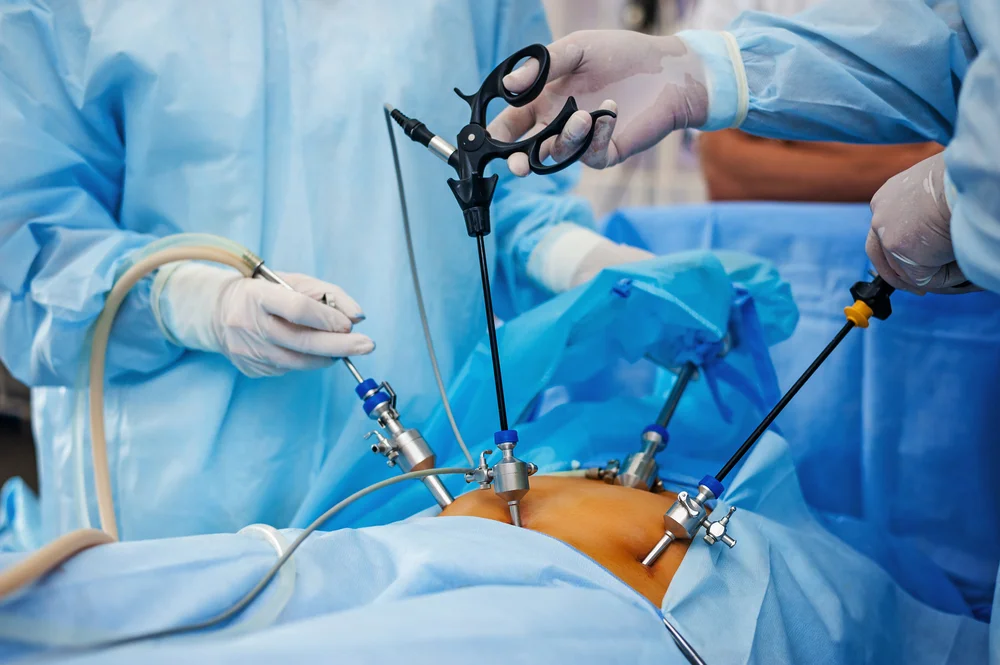
Traditional surgery involves making a large cut through the skin to access the area of the body where the problem lies. The surgeon operates under direct vision on the area concerned, using his hands and instruments directly. On the other hand, in minimally invasive surgery, small cuts are used. The surgical process is carried out by observing the screen using a small camera.
Actual difference: Minimally invasive surgery does less damage to the body since the cuts are made much smaller.
2. Pain and Recovery Time
While open surgery involves a large cut, patients are likely to feel more pain. Such surgical processes also require more time to heal. This involves lengthy hospital stays and delays for patients to return to their work.
The patients experience less pain, smaller scars, and recover more rapidly because the cuts given are very small. This reduces the post-surgical hospital stay.
Actual difference: Minimally invasive surgery allows for a quicker recovery.
3. Safety and Suitability
Conventional surgery is also required in cases of serious or complex medical issues, such as severe injuries or the presence of significant tumours in various organs of the body that arise in emergency conditions. In such circumstances, the surgeon must have complete visibility of the site to operate effectively.
Minimally invasive surgery might not be applicable for all patients. Some patients have ailments that render them unsuitable for small cut surgery. Minimally invasive surgery requires up-to-date instruments and facilities, which might not be available in all hospitals.
“Real difference” in this case: The best choice will depend upon the patient’s condition, the nature of the medical problem, and the surgeon’s expertise.
Final Thought
Both types of surgery are important. Minimally invasive surgery offers comfort and faster healing, while traditional surgery is sometimes the safest option. Our experts at PyraMedicine can guide you through the entire process over an online consultation. Visit https://pyramedicine.com/ to book your consultation call now!